Individual
therapy
in Palo Alto.
For adults who've done everything right — and still feel like something essential is missing.

Something isn't working.
You can't quite name it.
“You can't have a choice about what you are not in touch with.” — Moshe Feldenkrais That's the thing about depth work: the goal isn't information. It's contact.
The presenting problem is rarely the real problem. The anxiety that won't respond to mindfulness apps. The relationship dynamic that keeps repeating. The flatness you've been calling stress, that doesn't quite feel like stress.
Anxiety
The loop of worry that runs even when things are fine. We work with what's underneath.
Depression
The flatness, withdrawal, loss of meaning. Therapy can reconnect you to what is alive in you.
Trauma-related patterns
Sometimes the present carries responses that seem older than the moment. We work carefully, with safety and choice.
Relationships
The ways we connect, rupture, and repair. For partners ready to go deeper.
Grief & Loss
Loss doesn't follow a timeline. We make room for it without rushing.
Men's Issues
For men who manage everything well and feel hollow about it.
Present, relational,
body-aware.
Individual therapy with me is depth-oriented and relational. Not a technique applied to a problem — a genuine encounter between two people paying close attention to what actually arises. I try to stay with what is present rather than move it along — attending carefully, open to outcomes rather than directing toward them.
I draw from Relational Gestalt therapy, psychoanalytic thinking, ACT, mindfulness, and somatic approaches.
The therapeutic relationship itself is the medium. I attend to what arises between us — in the body, in the room — not just to the narrative account of your life.
The frameworks I draw from aren't a menu. They're a sensibility — a way of attending to what's actually happening between us, rather than applying a theory to it.
“Change occurs when one becomes what he is, not when he tries to become what he is not.”— Arnold Beisser
How to begin
Free 15-min consultation
A brief conversation to see if this feels right. No commitment. I'm listening for what brought you here, not the structured version of it.
First session
An unhurried intake — your history, what brings you here, how you make sense of things.
Ongoing weekly work
Weekly 50-minute sessions. The work develops its own rhythm.
Before you reach out
CBT and similar approaches work at the level of thoughts and behaviors — genuinely useful for many things. Depth-oriented therapy works at the level of the patterns underneath: why the same thoughts keep returning, what the body is holding that the mind hasn't caught up to yet.
Yes. I accept Stanford Cardinal Care and Aetna. I also accept private pay and can provide a superbill for out-of-network reimbursement. Reimbursement and your out-of-pocket cost depend on your plan’s benefits.
I'm listening for what you say and how you say it — where the energy shifts, what seems hard to name. That first conversation is less an intake and more a first contact.
Weekly is the standard, especially at the start. Consistency matters for depth work — it builds the kind of trust and continuity that allows real material to surface.
Yes. In-person at 667 Lytton Ave, Suite #9, Palo Alto. Telehealth throughout California.
Present, curious,
unhurried.
I work with people who are capable, thoughtful, and stuck — people who have tried the obvious things and found them insufficient. What they're looking for is usually not another technique. It's a different kind of conversation.
My training at California Institute of Integral Studies, combined with residential practice at Plum Village, gives me a framework that takes the whole person seriously: body, psyche, and the relational field between us.
Full Biography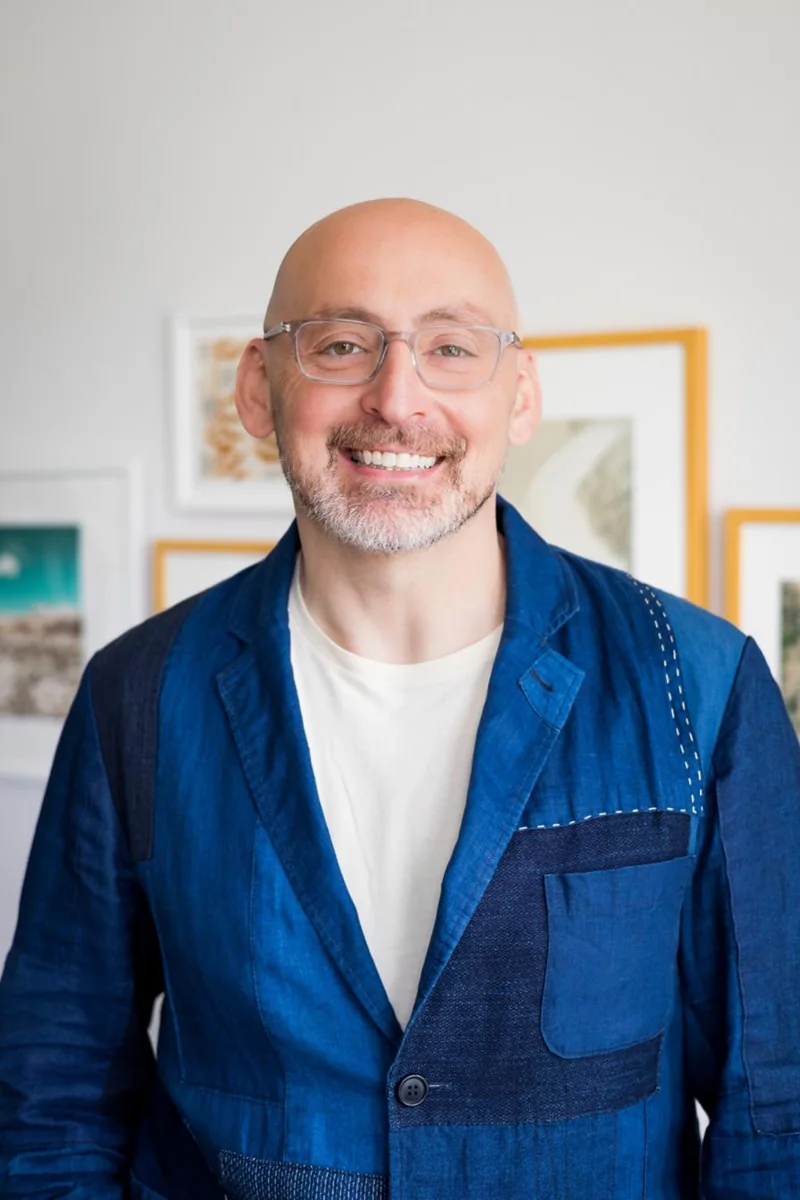
Ready to begin a different
kind of conversation?
A brief message is enough to start.
Start a Conversation